Walk through any new housing estate in Melbourne, and one thing stands out. The backyards are smaller than they used to be, but the outdoor living areas are bigger and better than ever.
It’s not a coincidence.
Australian homeowners have realised something simple: the backyard doesn’t have to be just grass and a clothesline. It can be a second living room. A dining room under the stars. A kitchen where the cook doesn’t miss the party.
This shift has been building for years, but the last few seasons have pushed it into overdrive. Let’s unpack what’s happening, why it matters, and how homeowners are making it work.
For a long time, the backyard was an afterthought. People spent money on kitchens, bathrooms, and home theatres. The outdoor area got whatever was left.
That’s flipped completely.
When movement was restricted, the backyard became the only escape. Families discovered that a well-designed outdoor space could feel like a mini-holiday. Once people tasted that, they didn’t want to let it go.
Property prices have climbed steeply. Upsizing to a bigger home isn’t an option for many families. Instead, they’re looking at the land they already own and asking how to use it better. An outdoor living space adds square metres of usable living area without moving the house.
Australia has the weather for this. Even Melbourne, with its unpredictable seasons, offers plenty of mild days perfect for sitting outside. Heating solutions like fire pits and infrared heaters stretch the usable season even further.
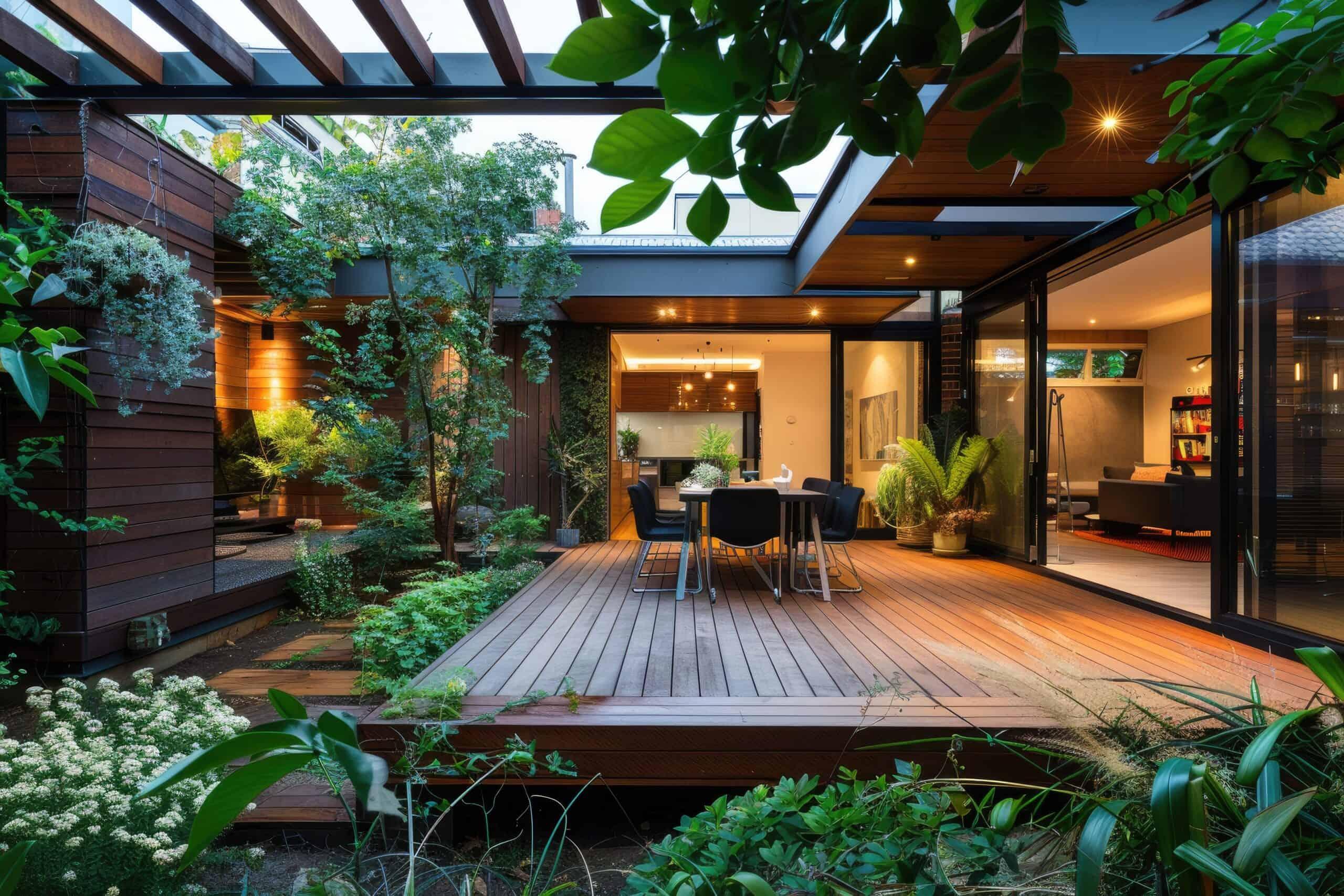
Not every backyard makeover is created equal. Some feel like an afterthought. Others become the heart of the home.
A pergola with a solid roof changes everything. Suddenly the space is usable in light rain and harsh sun. Louvred roofs that open and close give even more control. Open them on a fine day, close them when the weather turns.
The single biggest request from homeowners is a proper outdoor cooking area. Not just a standalone barbecue. Built-in gas grills, pizza ovens, sinks, benches, even bar fridges and dishwashers. When the kitchen is outside, the host never has to disappear from the gathering.
A fire pit does more than provide warmth. It creates a gathering point. People naturally sit around it. Add some overhead radiant heaters or a built-in fireplace, and that outdoor space stays comfortable well into autumn and through mild winter days.
Nobody wants to relax while the neighbours watch. Screening solutions like timber battens, laser-cut metal panels, and climbing plants on trellises create privacy without making the space feel like a cage. The goal is sheltered, not sealed.
The old model treated the backyard as a separate zone. You walked out through a door, down a step, and you were in a different environment.
Modern design blurs that line.
Large sliding or bi-fold doors can open up an entire wall of a house. The same flooring can run from inside to outside. The roof of the outdoor area lines up with the indoor ceiling height.
When it’s done well, you don’t feel like you’re “going outside.” You feel like you’re moving from one room of the house to another. The only difference is fresh air, natural light, and birdsong instead of a television.
This isn’t just aesthetic. It changes how people use their homes. Kids run in and out freely. Entertaining flows naturally from kitchen to deck to garden. A morning coffee feels different when you can sit under a covered patio instead of inside at a table.
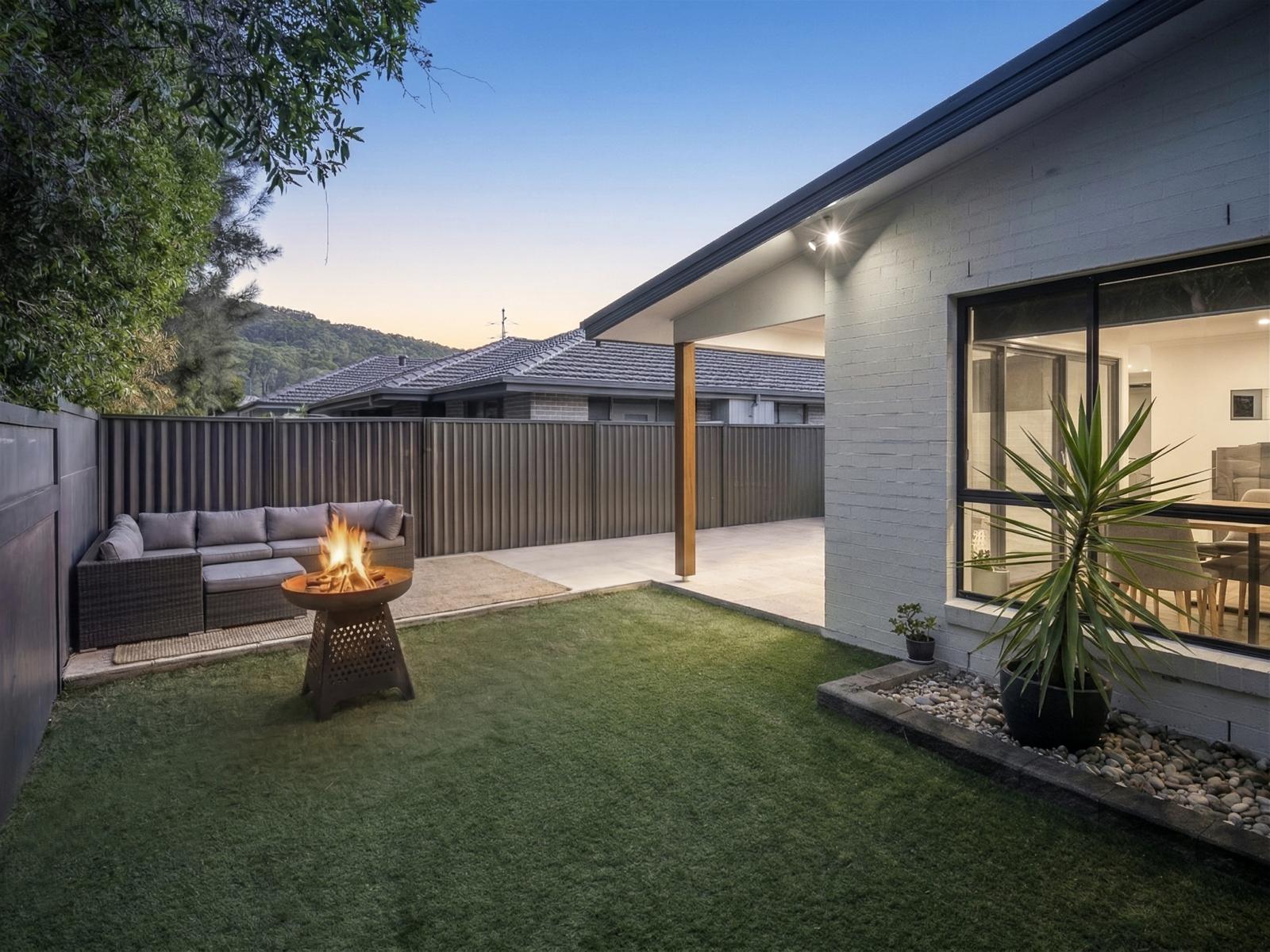
Here’s a truth every homeowner knows. A beautiful backyard that needs hours of work every weekend eventually becomes a burden.
That’s why materials like composite decking, natural stone, and porcelain pavers have become so popular. They look good. They’re durable. And they don’t require constant oiling, sealing, or replacing.
Composite decking resists rot, splintering, and fading. A quick hose down keeps it clean.
Porcelain pavers don’t absorb moisture or stain easily. Spills wipe off. Moss doesn’t grow.
Powder-coated aluminium for pergolas and screens won’t rust or warp.
The same thinking applies to planting. Native species that cope with dry spells. Gravel and mulch instead of lawn in low-traffic areas. Even high-quality artificial turf has come a long way — it looks realistic and requires no mowing, watering, or fertilising.
A thoughtful residential landscape melbourne balances beauty with practicality. The goal is a space that invites you to use it, not a second job that demands your weekends.
One of the smartest trends in outdoor living is designing for more than just summer.
Fire pits are the classic choice. Wood-burning or gas, they create warmth and atmosphere. People gather around them naturally. Kids toast marshmallows. Adults stay long after sunset.
Infrared patio heaters warm people and objects directly, not the surrounding air. They work well in covered areas and don’t get blown out by wind.
Built-in fireplaces are a bigger investment but add serious value. They anchor the outdoor room and provide consistent heat.
Outdoor rugs and blankets sound simple, but they make a surprising difference. A soft surface underfoot and something to wrap around the shoulders keeps people comfortable when the temperature drops.
With the right setup, an outdoor living space can be usable eight or nine months of the year. Some homeowners use theirs every single week, rain or shine.
Privacy is a growing concern as backyards get smaller and houses get closer together.
The solution isn’t building a solid fence around everything. That kills the open, airy feel that makes outdoor living attractive.
Instead, designers are using layered screening.
Timber battens with gaps between them. From an angle, you can see through. Straight on, they block most of the view. They add warmth and texture.
Laser-cut metal screens cast beautiful shadows and can be customised with patterns. They feel decorative, not defensive.
Climbing plants on trellises gives privacy that breathes and changes with the seasons. Star jasmine, climbing roses, and Boston ivy all work well.
Outdoor curtains on a track system can be drawn when needed and pulled back when not. They add a soft, almost theatrical feel to a pergola or cabana.
The best privacy solutions don’t scream “stay out.” They quietly create a sense of enclosure while still feeling open to the sky.
Short answer: yes.
Buyers today are actively looking for homes with established outdoor entertaining areas. They don’t want to build it themselves. They want to move in and start using it straight away.
Real estate agents confirm that a well-designed outdoor living space can be a deciding factor in a competitive market. Two similar homes? The one with the covered deck, outdoor kitchen, and fire pit will sell faster and for more money.
But the real value isn’t just financial. Most homeowners who invest in these spaces say the lifestyle benefit is the real return. They host more often. They relax more deeply. They actually use their home instead of just living in it.
A few new directions are worth watching.
Multi-purpose zones: The same area used for morning coffee, afternoon remote work, evening dining, and weekend lounging.
Outdoor showers: No longer just for pool owners. A warm shower under the open sky has become a simple luxury.
Edible gardens built into entertaining areas: Herb planters on bench tops, tomato vines on trellises, strawberry pots within arm’s reach of the dining table.
Smart lighting: LED strips embedded in steps and seating, motion sensors for pathways, colour-changing bulbs controlled by phone apps.
Sustainable choices: Rainwater collection for garden watering, solar-powered feature lighting, recycled materials where possible.
The Australian backyard is having a moment. Not as a forgotten patch of grass, but as a true extension of the home.
Whether it’s a small deck with a fire pit or a full outdoor kitchen under a louvred roof, the principle is the same. Homes feel bigger when the inside flows naturally to the outside. Families spend more time together when there’s a comfortable space to gather. And a well-designed outdoor area makes staying home feel like something special and to get such pleasure you will seek to get landscaping service in melbourne to spend quality time with family.
For Melbourne homeowners thinking about making the leap, the first step is simple. Look at your backyard and ask: what would actually make you want to be out there more often?
That answer is different for everyone. But once you find it, the rest falls into place.